Brushing solutions for texturing surfaces
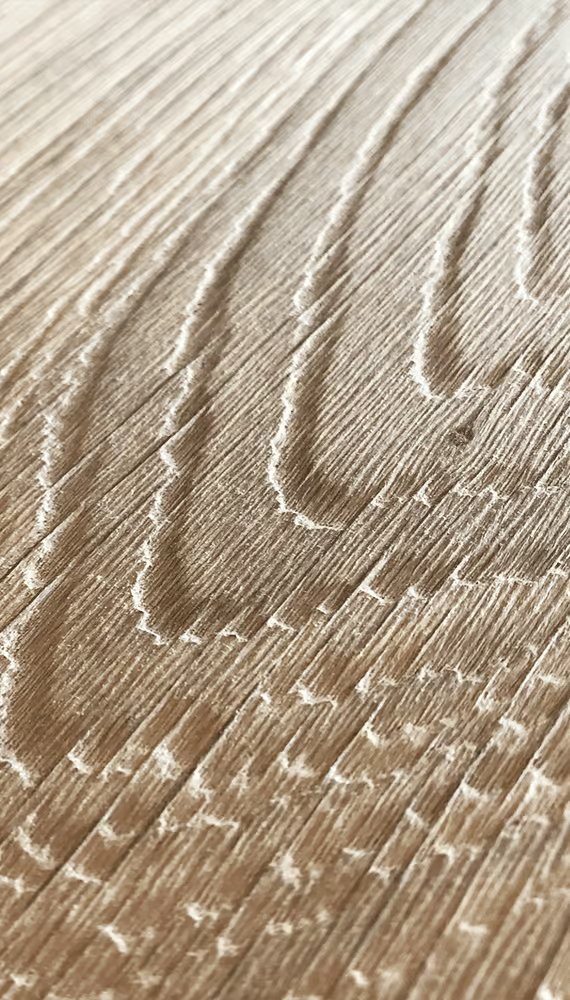
Brushing is used to create texture and define the look of a surface.
If the process is not consistent, visible differences between products and batches quickly appear.
Brushing for surface texturing
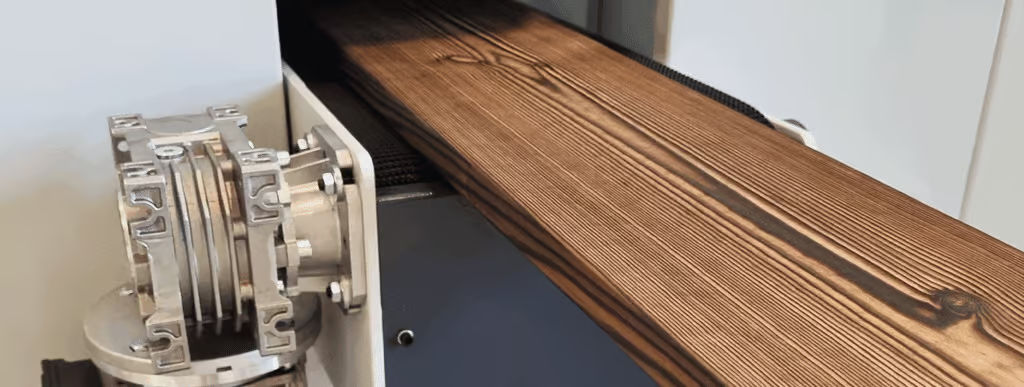
Brushing is a controlled process used to create texture, highlight the wood grain, and define the final appearance of a product.
It is often applied when the visual aspect of the surface is important, such as in parquet, facade wood, or interior components.
Typical applications include:
- Creating light or deep wood structures
- Enhancing the natural grain
- Achieving aged or rustic effects
- Preparing surfaces for coatings that follow the texture
The goal is to create a consistent and repeatable look across all products.
Material challenges
Different wood species react differently to brushing.
Softwoods and hardwoods behave in their own way. Grain structure, density, and treatments all influence how the texture develops.
Speed-related surface defects
Texturing is highly sensitive to process settings.
Small changes in pressure, speed, brush type, or angle can significantly change the final look.
Quality assurance challenges
Brush wear directly affects the texture.
As brushes wear, the depth and sharpness of the structure change, leading to variation between batches.
How to get texturing under control
A consistent texture starts with defining the desired visual result.
What should the surface look like? How deep should the structure be? What level of contrast is required?
From there, the process is built around:
- the right brush type (material and stiffness)
- the correct combination of brushes (coarse to fine)
- controlled pressure and contact
- aligned speeds and directions
Different brush types play a role, such as:
- Tynex brushes (P36 – P120) for controlled structuring and finishing
- Metal brushes (brass or steel) for deeper, more pronounced textures
- Sanding brushes for refining or smoothing the result
By combining these correctly, the desired texture becomes repeatable.
What matters in your texturing process
- Consistent visual appearance
- Controlled texture depth
- Repeatable results across batches
- Alignment with coating and finishing steps
- Stable process performance
Where brushing fits in your texturing process
Brushing for texturing is usually applied as a dedicated step in the production process.
It can be used:
- As a main process to create the final surface
- In multiple steps, from coarse structuring to fine finishing
- In combination with other processes such as sawing effects or coating
Because multiple brush units can be combined, different effects can be created in one pass.
This allows you to achieve the desired texture while maintaining production efficiency.
Our solutions for texturing with brushing
Different solutions are designed for different texturing requirements.
From subtle grain enhancement to deep, aged effects, the right setup depends on your material, desired look, and production process.
By comparing solutions, you can identify the best fit for your application.
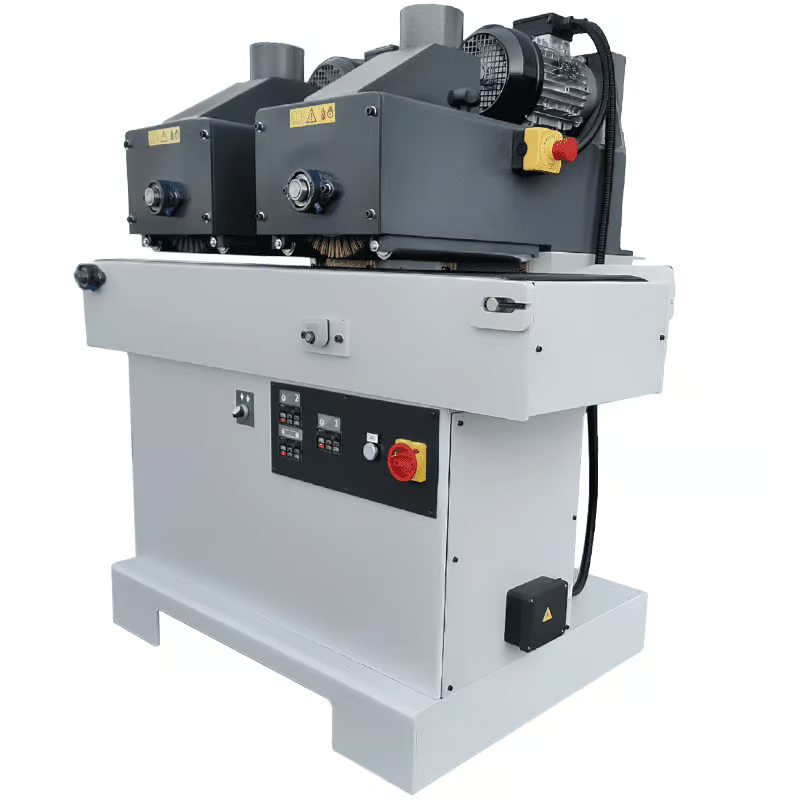
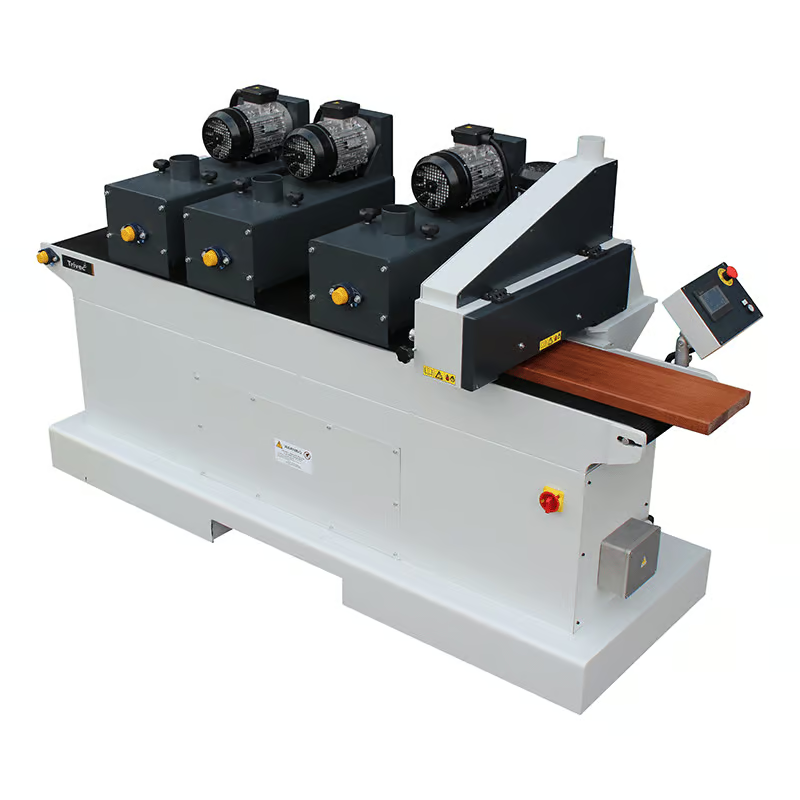
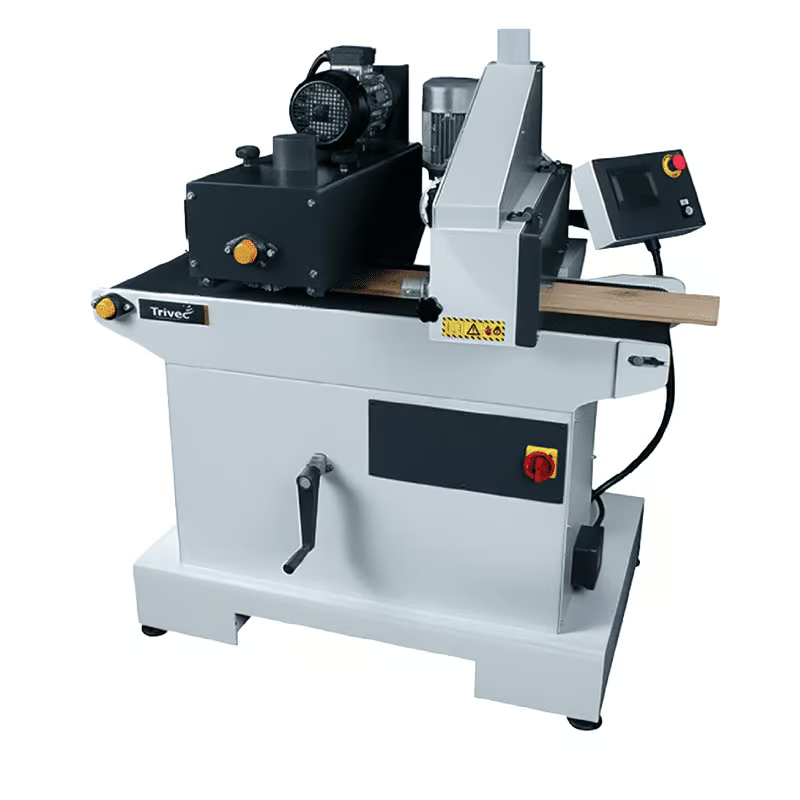
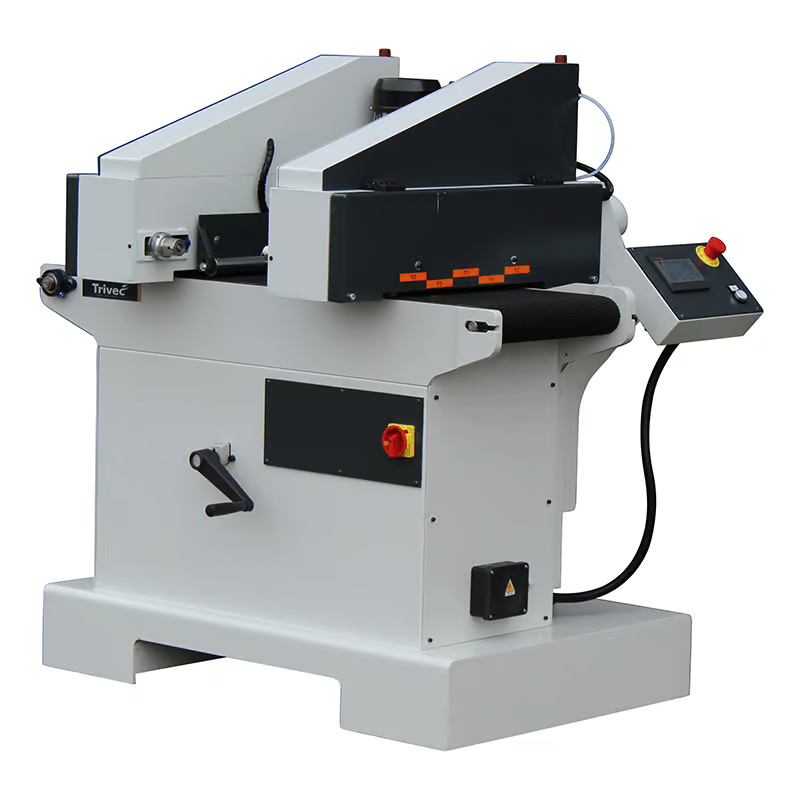
Achieve consistent brushing, structuring and polishing results on wooden surfaces with precise control over the brushing process. Designed for industrial production environments, this machine enhances the visual character and tactile quality of wood while ensuring stable processing and repeatable surface finishes.
Create consistent wood structuring, sanding and surface finishing results with precise control over the brushing process. Designed for industrial wood processing, this machine enhances the natural character of wood while ensuring stable transport and repeatable surface effects across a wide range of workpieces.
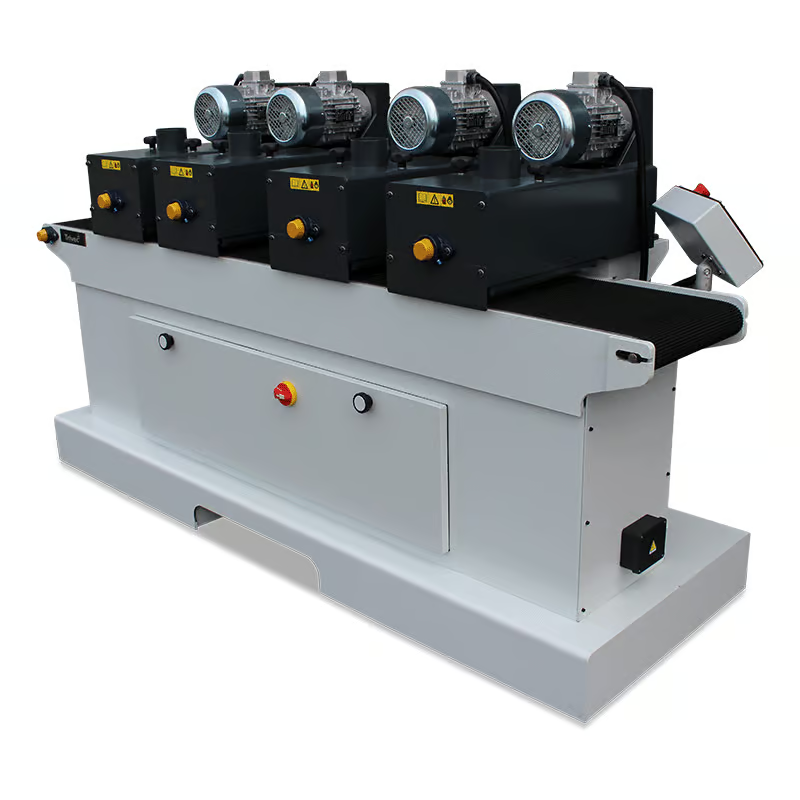
Create deep, natural-looking wood textures with precision and consistency. Designed for industrial production environments, this Scrub Brushing Machine structures wooden surfaces by removing softer wood, enhancing the grain and delivering authentic tactile effects ready for finishing.
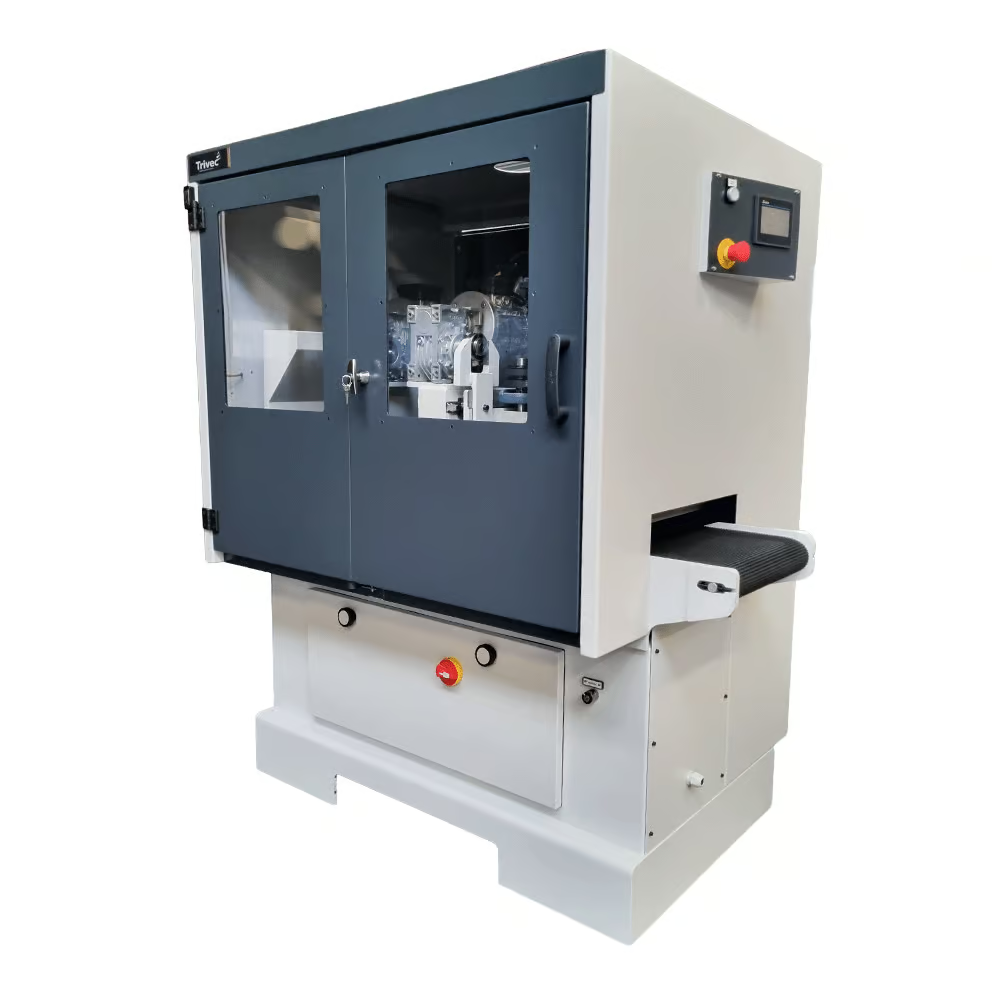
Create deep, natural-looking bandsaw textures and structured wood surfaces with precise control. This machine combines a cross cutting unit with three brushing units to produce distinctive aged effects while maintaining stable workpiece transport and repeatable processing results.
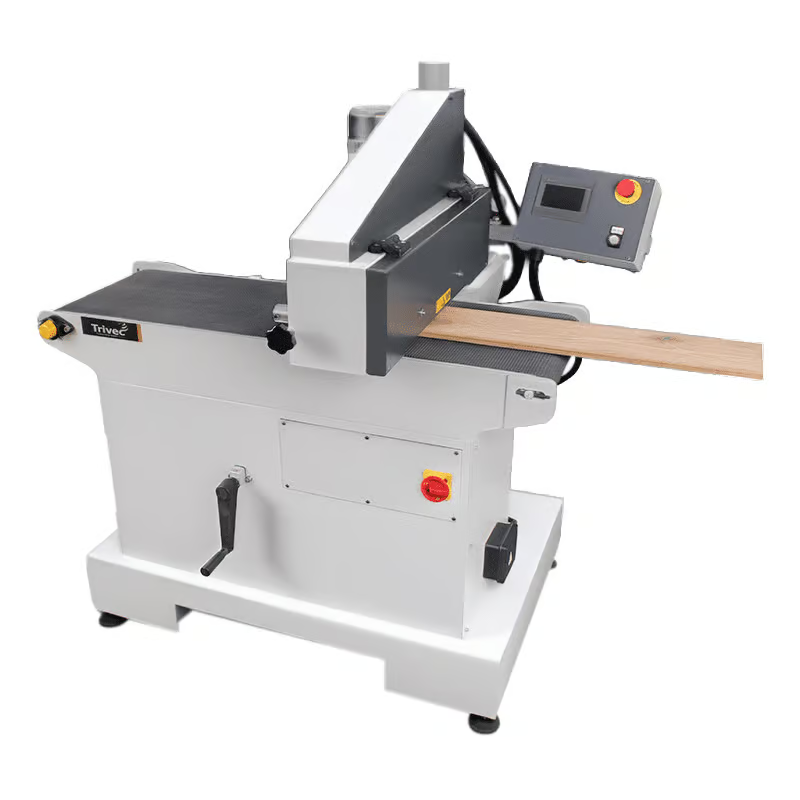
Create authentic bandsaw textures and aged wood effects with precise and repeatable control. This machine combines a cross cutting unit with a brushing unit to produce distinctive surface structures while maintaining stable workpiece transport and consistent processing results.
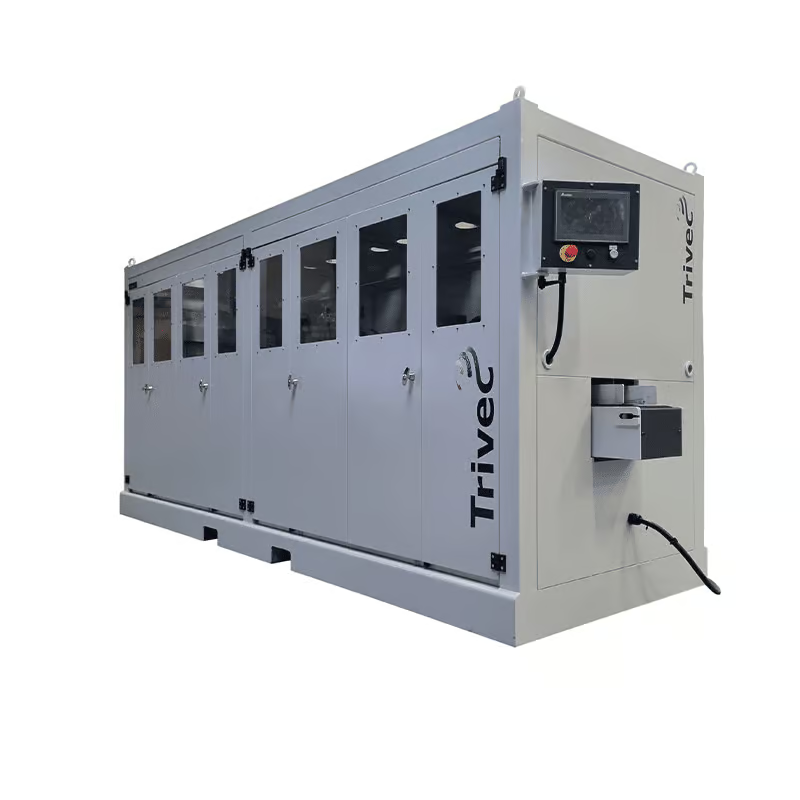
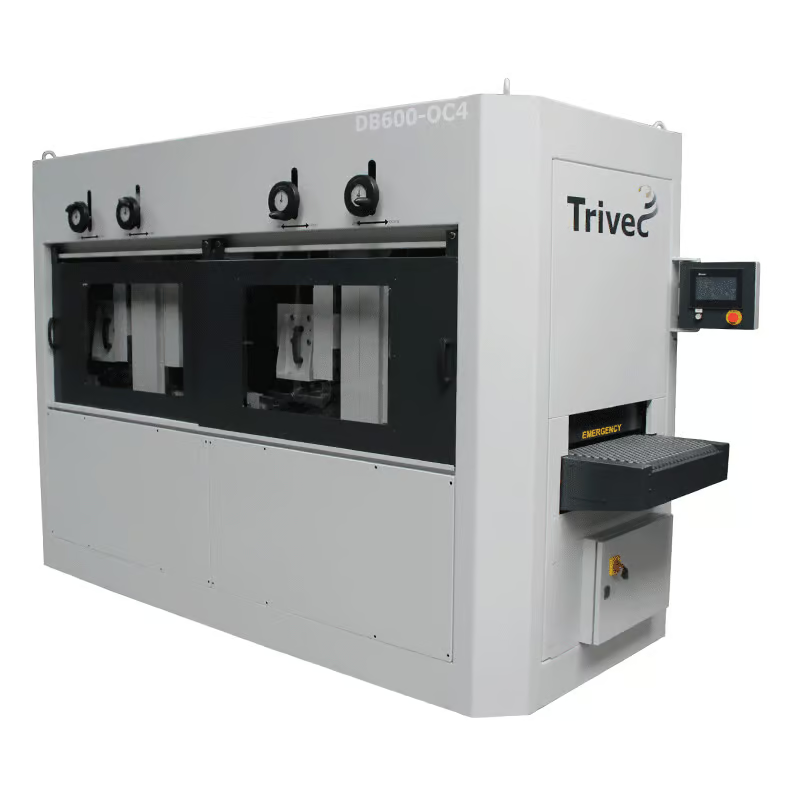
Achieve consistent all-round brushing and structuring on wooden surfaces in a single pass. This multi-sided brushing machine processes all sides of the workpiece simultaneously, making it ideal for cladding and façade wood in high-efficiency production environments.
Create authentic bandsaw textures and natural aging effects on wooden surfaces with precise and repeatable control. This machine uses a dedicated cross cutting unit to produce distinctive saw marks while ensuring stable transport and consistent processing results.
Create deep and natural bandsaw textures on wooden surfaces with precise and repeatable control. This machine uses two cross cutting units to produce pronounced saw patterns while ensuring stable workpiece transport and consistent processing results.
Achieve powerful and highly controlled wood structuring with maximum flexibility in surface finishing. This heavy-duty brushing machine is designed for demanding production environments where deep textures, consistent results and process control are essential.
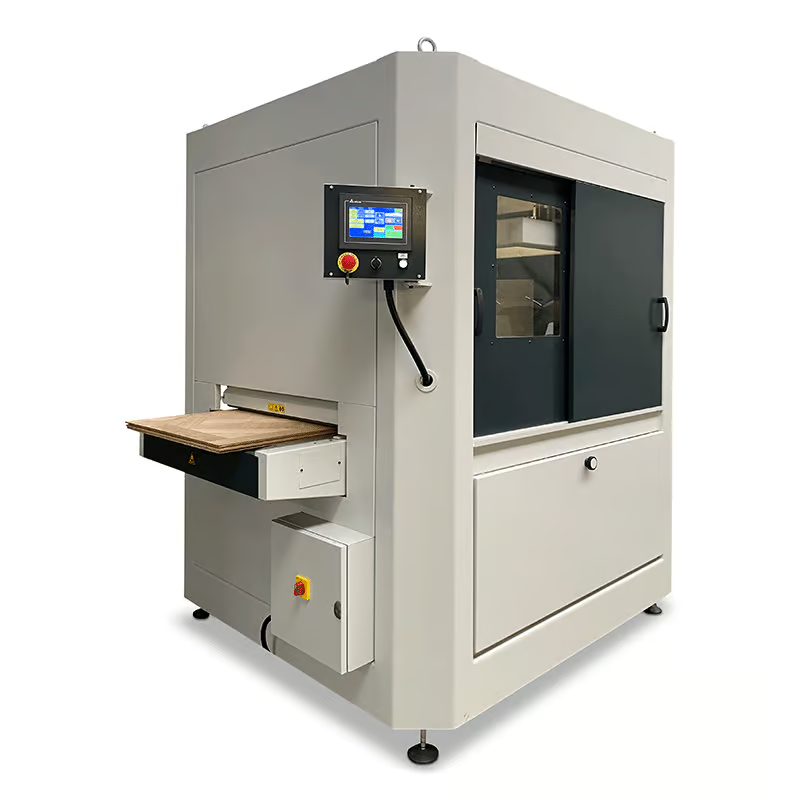
Achieve consistent multi-directional brushing and structuring on wooden surfaces with precise process control. This machine uses rotating brush units around a central axis to create uniform textures, even on complex patterns such as Versailles panels.
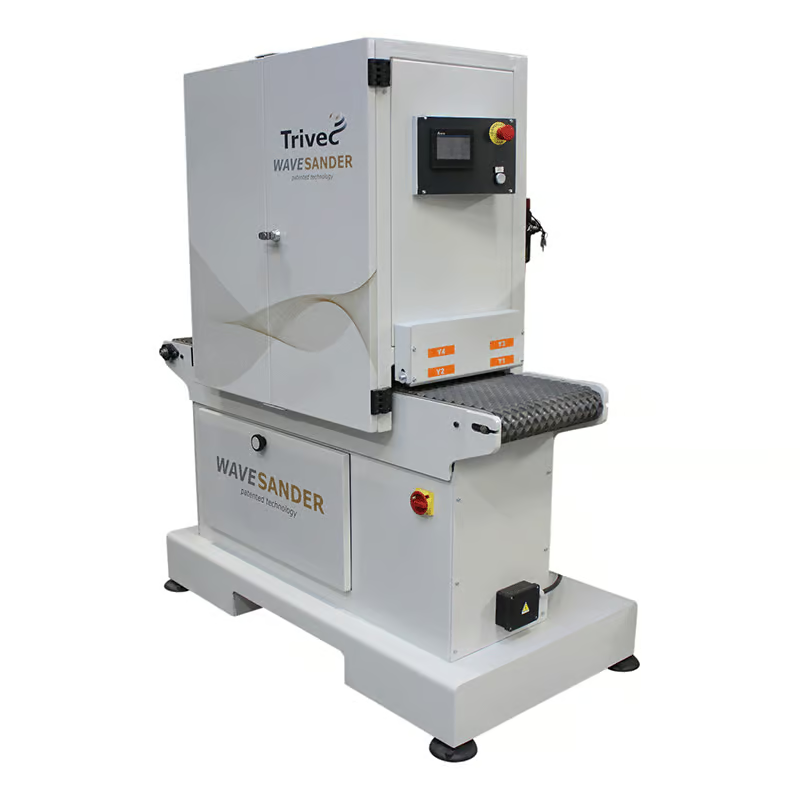
Create natural, flowing wave textures on wooden surfaces with precise and repeatable control. This specialized sanding machine produces random longitudinal wave patterns that add distinctive depth and visual character to decorative wood applications.
Real-world texturing applications
Examples of how different textures are created and how brushing setups are optimized for specific materials and visual results.
Controlling appearance in Shou Sugi Ban applications
After charring, the challenge is controlling how much of the carbonized layer remains. This case shows how a tailored brushing solution creates a consistent, repeatable Shou Sugi Ban finish across different shapes and dimensions.
Not sure how to achieve the texture you are looking for?
We are happy to test and define the right process together with you.
Get advice on brush types and settings
Discuss your desired look and application
Test your material in our Experience Center
Looking to create a consistent and repeatable surface texture?
Variations in material and settings can quickly affect the final appearance.