Home > Applications > Sanding

Brushing solutions for sanding surfaces

Inconsistent brushing results lead to visible variation, rework, and reduced control over surface quality, especially when materials, grain direction, and process settings vary.

Send to colleague
Send to colleague

Brushing as a sanding step

Brushing is a controlled sanding method used to remove material, clean surfaces, and prepare products for the next process step. 

It is often applied where traditional sanding is less effective, such as on profiles, edges, or structured surfaces. 

Typical applications include: 

  • Removing fibres after machining  
  • Light sanding to prepare surfaces for coating  
  • Intermediate sanding between coating layers (denibbing)  
  • Cleaning surfaces, for example removing dirt or residues  
  • Sanding edges and profiles  

The goal is to remove just enough material to create a consistent and functional surface, without damaging the product. 

Material variation

Different materials respond differently to brushing. 

Wood species, MDF, and coated surfaces all behave in their own way. Differences in hardness, grain structure, or previous treatments directly influence how much material is removed. 

Process sensitivity

Sanding with brushes is sensitive to settings. 

Small changes in pressure, speed, brush type, or line speed can quickly result in too much or too little material removal.

Tool wear and stability

Brushes wear over time, which affects sanding performance. 

If this is not controlled, it leads to variation between batches and reduced process stability.

How to get sanding with brushes under control

A stable sanding process starts with defining the required surface result. 

Do you need to remove fibres, clean the surface, or create a better base for coating? 

From there, the process is built around the right tools and settings. 

We typically work with: 

  • Tynex brushes (P120 – P320) for controlled, lighter sanding and preparation  
  • Sanding brushes with lamellae (P80 – P320) for more flexible sanding and surface finishing  

The choice depends on the application and required material removal. 

By aligning brush type, pressure, speed, and contact conditions, sanding becomes controlled and repeatable. 
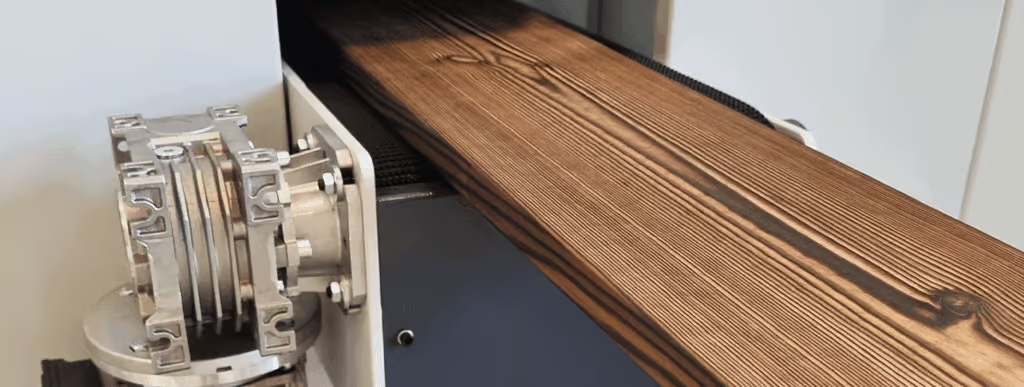
What matters in your sanding process 

  • Controlled material removal  
  • Consistent surface quality  
  • Reliable coating adhesion  
  • Stable process performance  
  • Reduced need for manual sanding  

Where brushing fits in your sanding process

Brushing is often used as a sanding step in different parts of the production line. 

It can be applied: 

  • At the start of the line for pre-sanding  
  • In the middle for intermediate sanding  
  • As a standalone process  

Because brushes adapt to the surface, they are especially effective for profiles, edges, and uneven materials where traditional sanding struggles. 

This makes it possible to maintain consistent results across different products and applications.

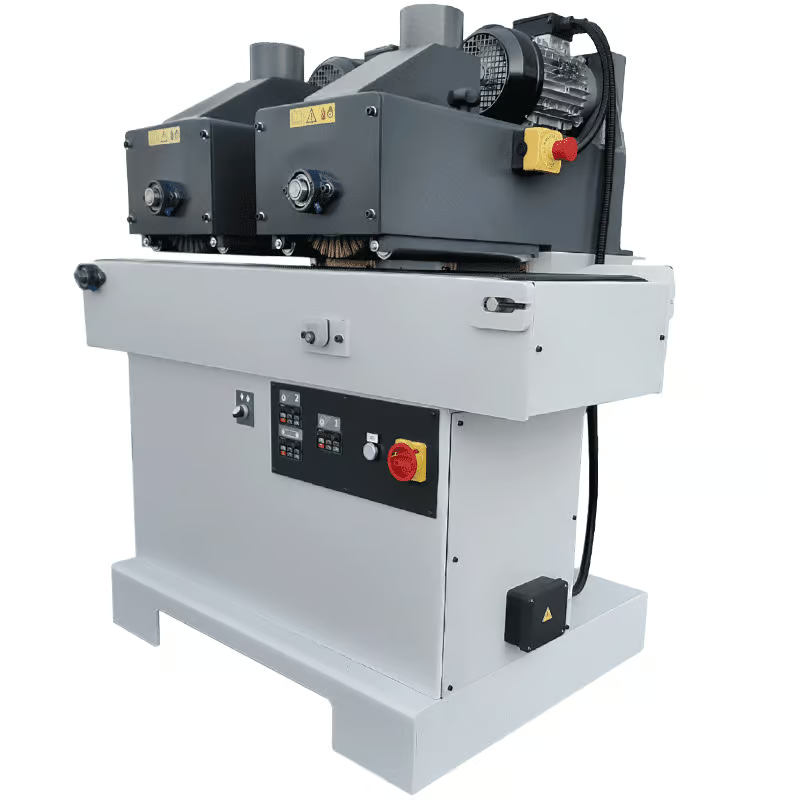
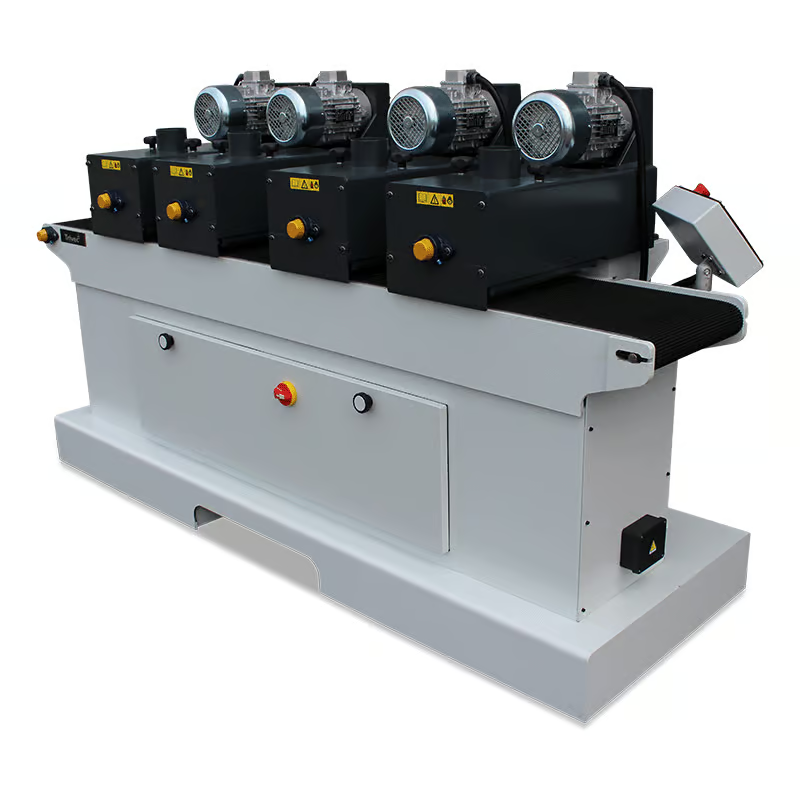
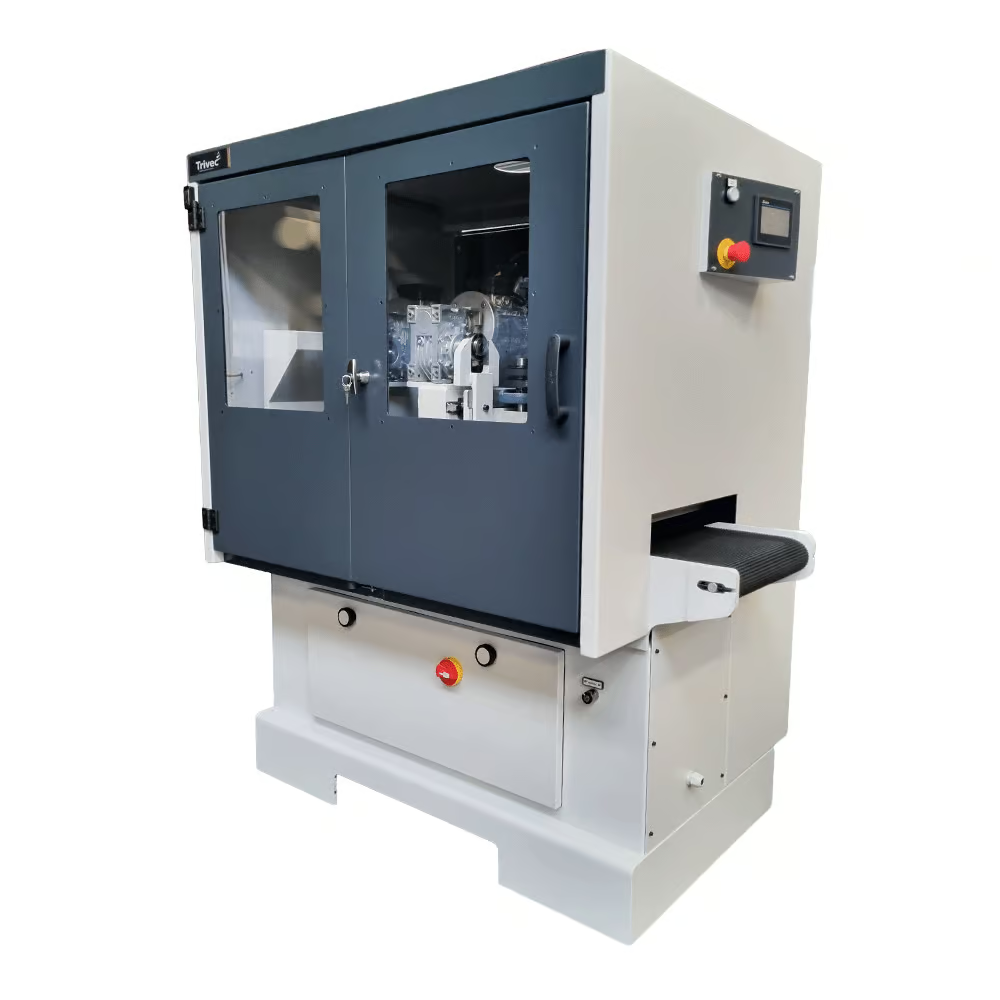
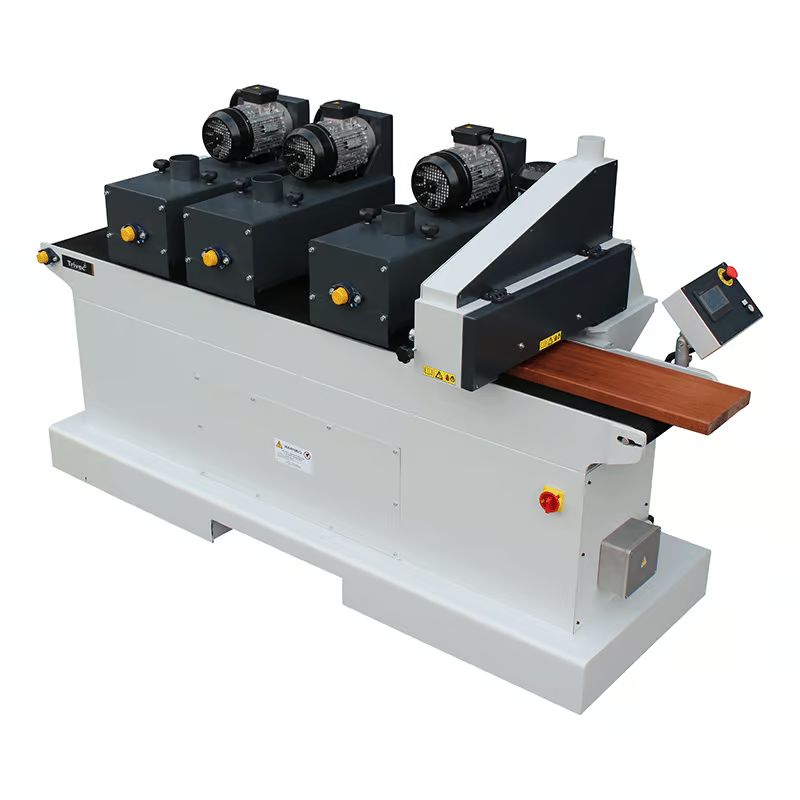
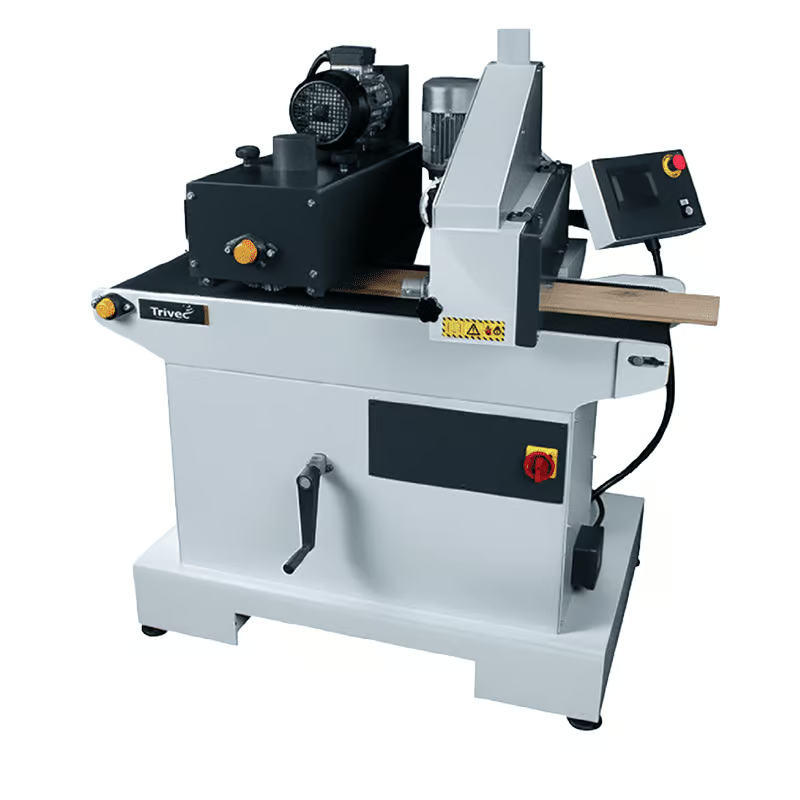
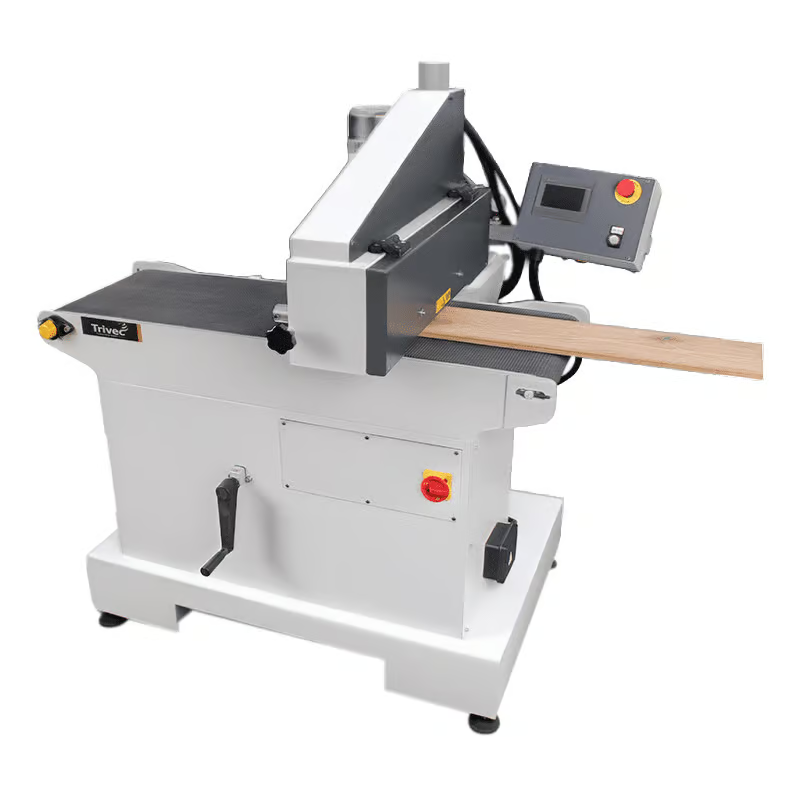
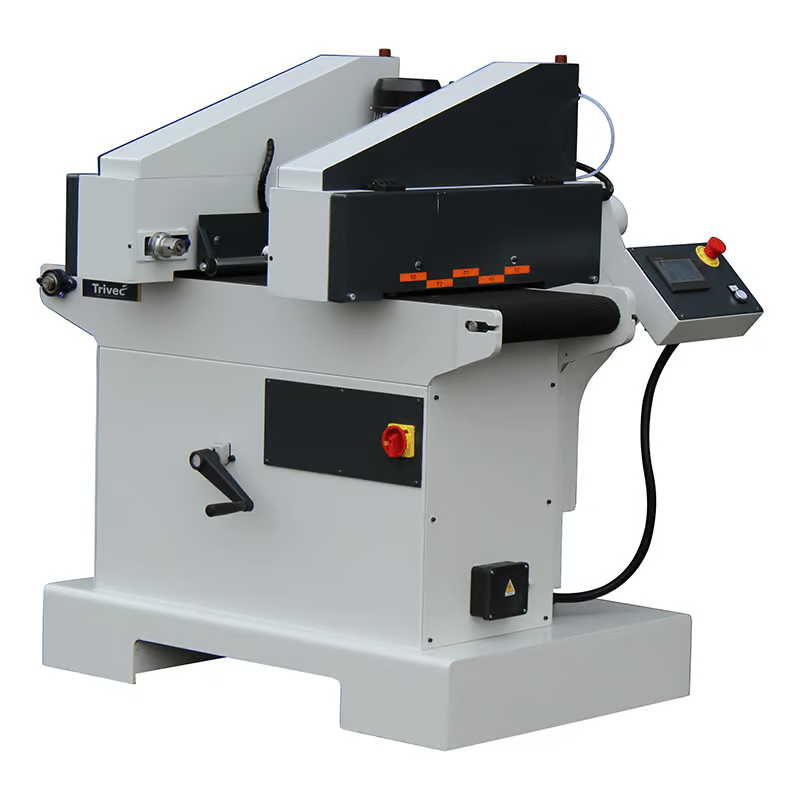
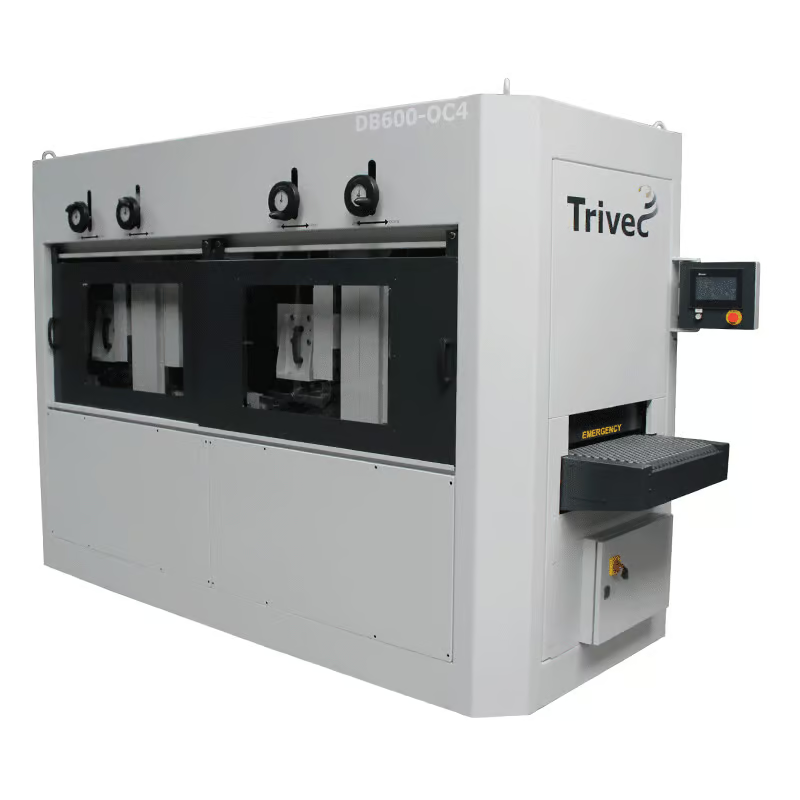
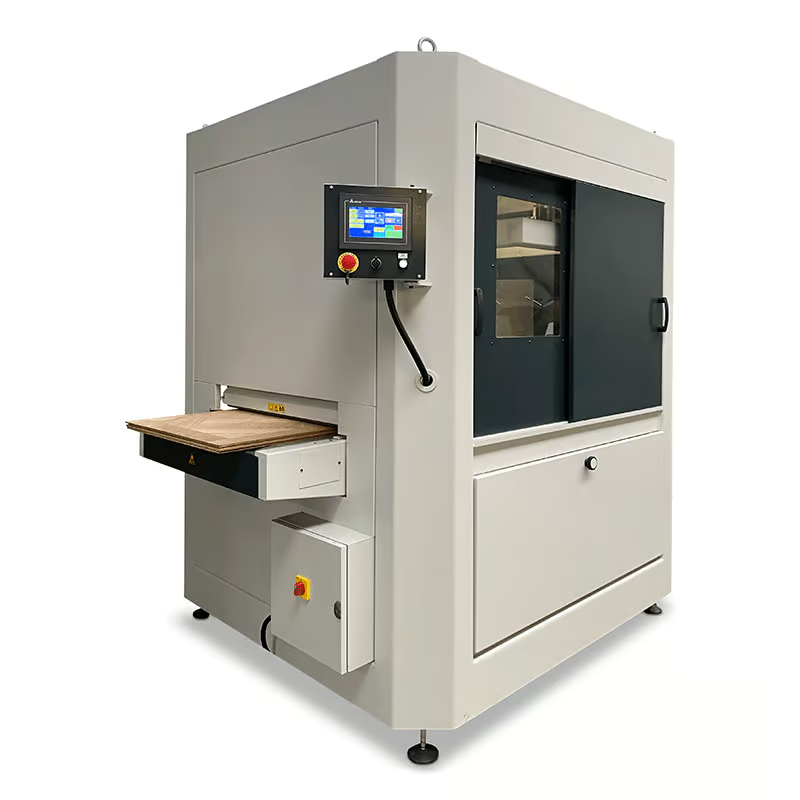
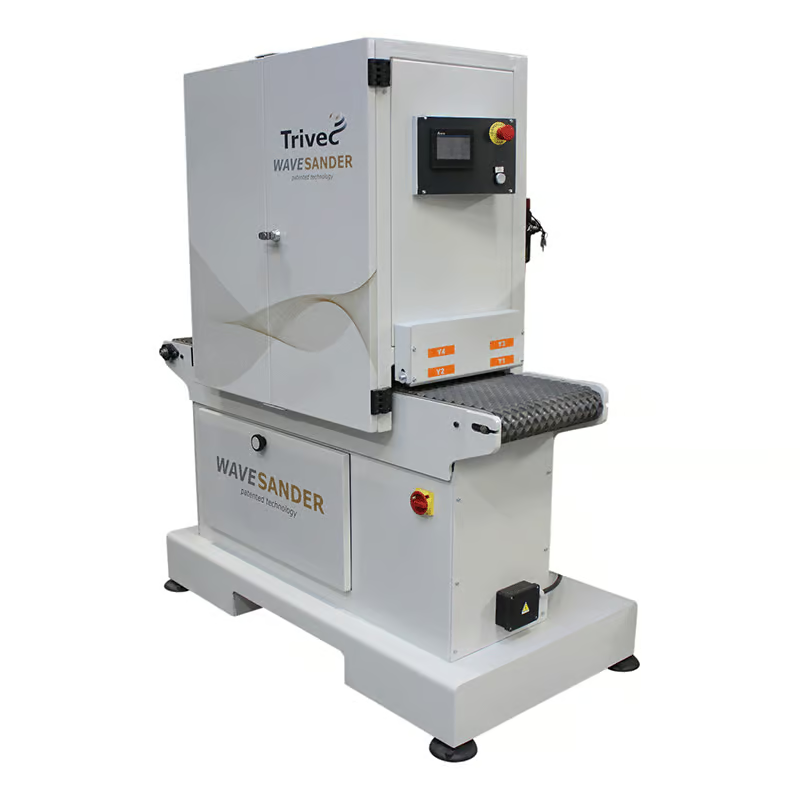
Our solutions for sanding with brushing

Different solution types address different sanding applications. 

From light fibre removal to more aggressive cleaning or sanding, the right setup depends on your material, product shape, and process. 

By comparing solutions, you can identify the best fit for your production. 

Real-world sanding applications

Real-world examples of sanding and surface preparation challenges, and how they are solved in practice.

Not sure if brushing is the right sanding step for your process?

We are happy to look at your material and application together.

Get expert input on your sanding process  

Discuss coating adhesion or surface quality issues

Find the right setup for your production

Looking to improve your sanding process? 

Inconsistent material removal often leads to coating problems and extra manual work. 

Contact

Lets talk about your project

Get in touch for questions, advice, or support

Or call us via +31 (0)512 510035.

Trivec communicates primarily in Dutch and English.

Quote

Request a quote

Get in touch for questions, advice, or support

Or call us via +31 (0)512 510035.

Trivec communicates primarily in Dutch and English.

Contact

How can we help?​​

Get in touch for questions, advice, or support

Or call us via +31 (0)512 510035.

Trivec communicates primarily in Dutch and English.